Newark, NJ
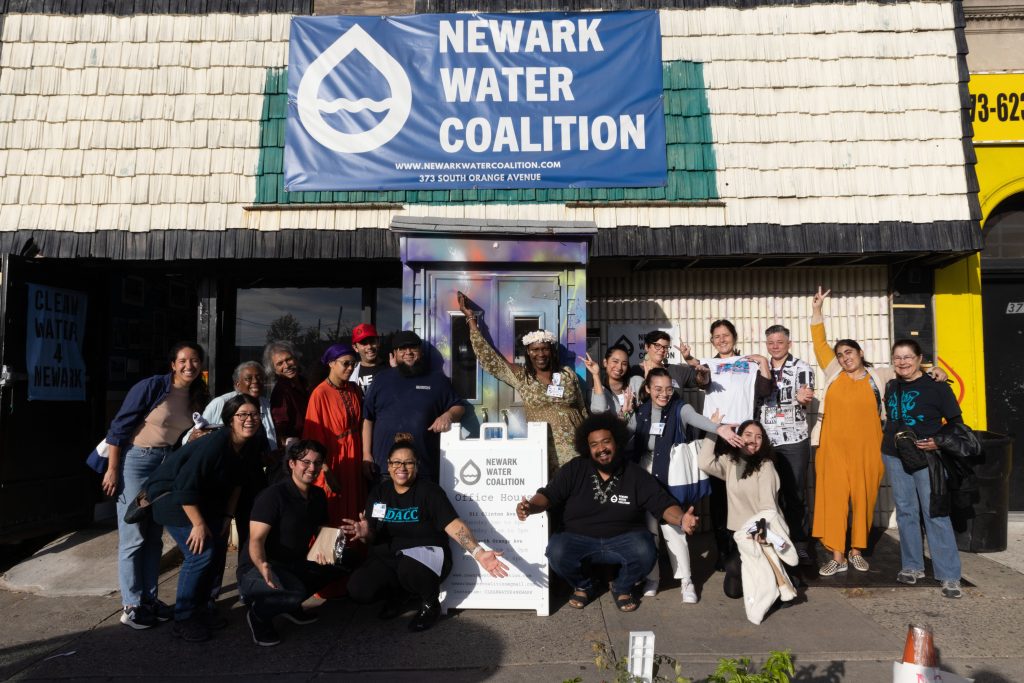
Newark Water Coalition water distribution along Passaic River.
Courtesy of the Newark Water Coalition.
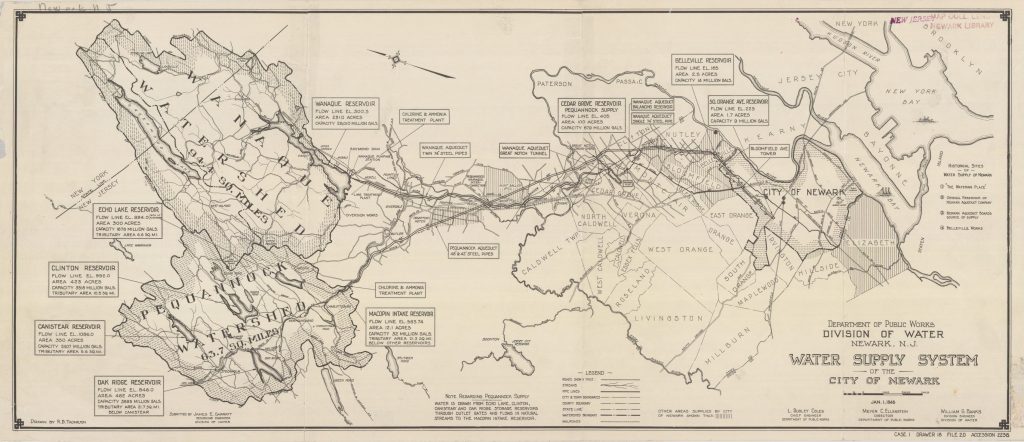
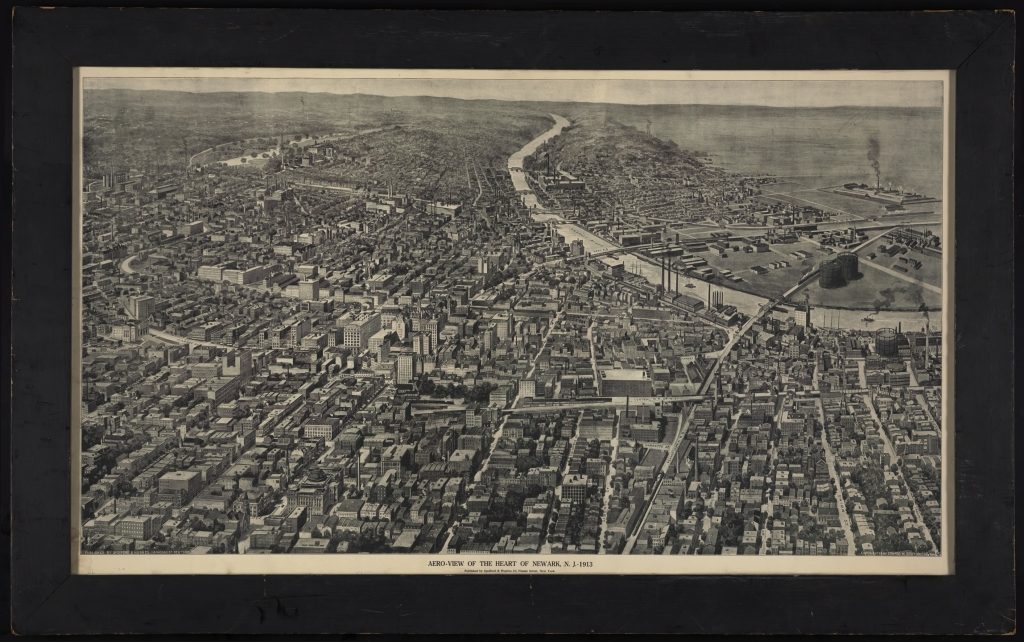

Newark’s water crisis began in 2016 when elevated levels of lead were discovered in several Newark public schools. Since lead poisoning leads to learning and health problems in children, residents of New Jersey’s largest city were understandably alarmed and took matters into their own hands.
The roots of the water problem in Newark run deep under our feet. The city’s water infrastructure, which was constructed between 1902 and 1924, used lead pipes to deliver drinking water to the majority of Newark’s homes. Although not understood at the time, these lead pipes were poisoning Newark residents.
To fix this lead problem, Newark residents and community organizers formed the Newark Water Coalition (NWC), which began distributing free water across the city. Even after the city replaced the dangerous lead pipes serving Newark’s homes, NWC continues not only to distribute clean water but has also helped residents test their own drinking water for lead and other contaminants that continue to threaten their health and environment.
Our Point of View
In 2018, Newark, NJ, faced a lead water crisis that caused illness, fear, and uncertainty, while city officials were slow to be transparent with the public. In response, grassroots organizations came together to advocate for community science and mutual aid services. The Newark Water Coalition formed from this effort, grounded in the belief that water, housing, and food are basic human rights. Their work combines rapid support as well as long-term empowerment by distributing free water, building portable filtration “water boxes” providing over 100,000 gallons water annually, and training residents in water testing and data collection.
—Newark Water Coalition
Our understanding of environmental justice begins with Newark residents. Many of us previously volunteered with the Newark Water Coalition, ensuring efforts are formed from the needs and priorities of the community. We learned the value of community-based science, relying less on academic research and more on lived experiences. We hope this work will encourage others to think deeply about ecologically vulnerable communities and empower scientific research in collaboration with universities.
—New Jersey Institute of Technology